

Can’t Afford A Lawyer helps Floridians get a fresh financial start with affordable, judgment-free bankruptcy solutions. Learn about our mission, our process, and how we make legal help accessible to everyone.
"Christine helped me regain control of my finances. I never felt judged, only supported."
Overwhelmed by debt?

You can start your path to
A FRESH START
with Chapter 7 Bankruptcy
for Only $99 down.
Talk with a Debt Relief Specialist about whether Chapter 7 bankruptcy can stop creditor calls, lawsuits, and wage garnishments—without paying thousands upfront.
Virtual Florida Bankruptcy Law Firm
Fast, judgment-free, fully virtual help for Florida consumers.

Free, no-pressure call with a Debt Relief Specialist—not a sales closer.
- $99 down to start your Chapter 7 case
- Payment plans available for qualified clients
- Plain-English answers in about 30 minutes
Start Your Fresh Start
$99 down gets you started. Answer a few quick questions and pick a time that works for you.
Secure and confidential. You’ll speak with a Debt Relief Specialist, not be judged.
How It Works
Simple, clear steps to a fresh start
Bankruptcy is a legal process, but your next steps don’t have to feel complicated. We keep it human and in plain English.
Step 1
Schedule Your Free Debt Relief Call
Pick a time that works for you. You’ll speak with a Debt Relief Specialist in a calm, judgment-free space to see if Chapter 7 may be right for you.
Step 2
Start With $99 Down & Set Up a Payment Plan
If you qualify and choose to move forward, you can get started with $99 down and set up an affordable payment plan of up to 8 months.
Step 3
Upload Your Documents Securely
Submit required documents online at your convenience for attorney review — no office visits needed.
Step 4
We Prepare and File Your Case
Our team prepares your Chapter 7 filing and submits it electronically when you’re ready.
Step 5
Attend Your Online 341 Meeting
The required trustee meeting is typically held virtually, so you attend from home.
Step 6
Receive Your Discharge and Fresh Start
Most cases are completed in a few months, and eligible debts are discharged.
Most calls take 20–30 minutes and are focused on understanding your financial situation, not pressuring you.
Why Can’t Afford A Lawyer
Built for people who think they can’t afford help
Most people who need bankruptcy relief don’t have thousands of dollars sitting in the bank. This firm exists for you.
- Payment plans exist because most people can’t pay thousands upfront.
- Virtual practice means lower overhead and more affordable fees for you.
- Focused exclusively on Chapter 7 bankruptcy for individuals and consumers.
- Fast filings when clients are ready and documents are complete.
- No scare tactics. No lectures. No judgment—just honest guidance.







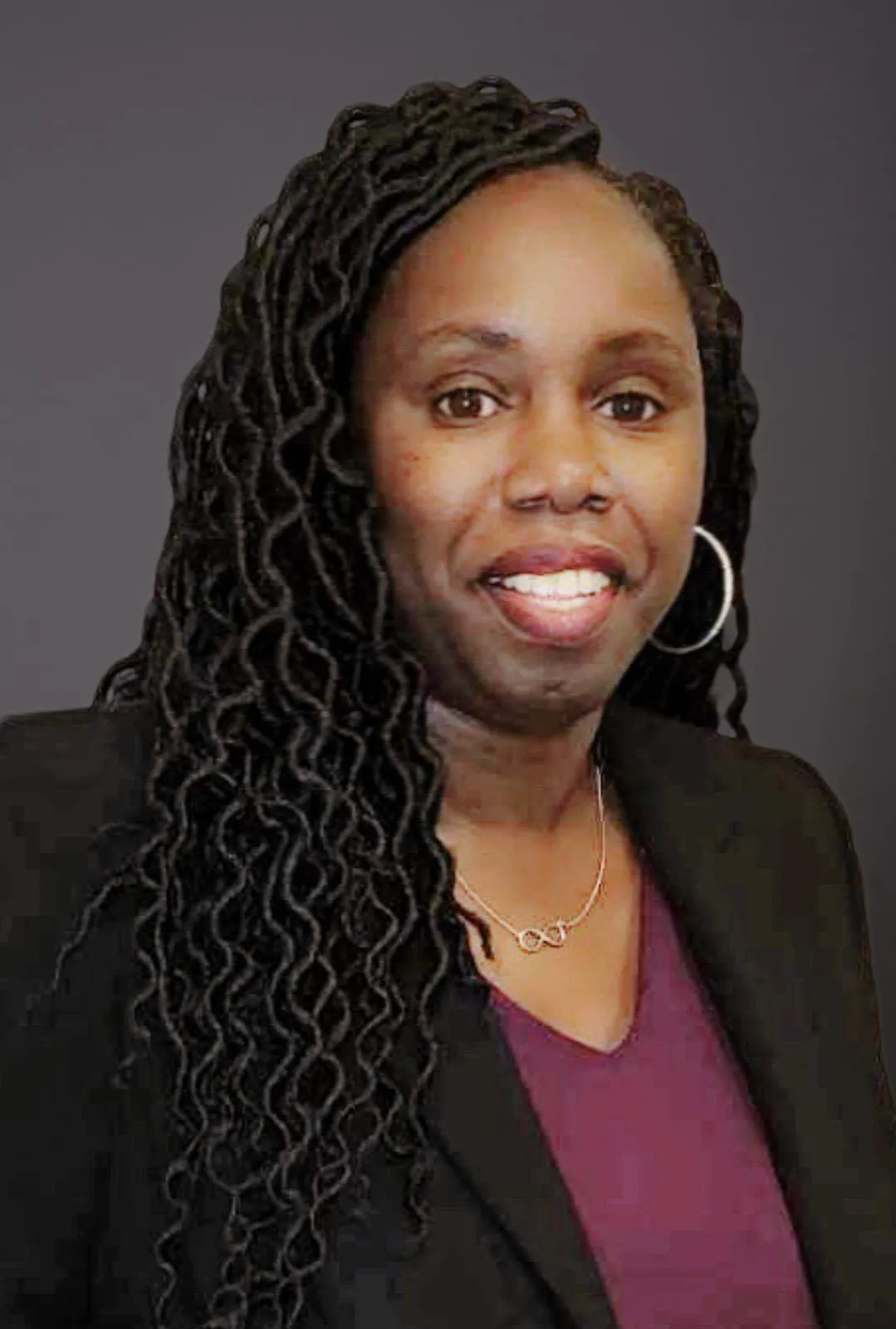
About Attorney Chris
Bankruptcy help that feels human, not intimidating
I’m Attorney Christine Hansley—most clients just call me Attorney Chris. I created this Firm to focus on helping everyday people use Chapter 7 bankruptcy to get a real fresh start.
Clients come to this firm feeling embarrassed, scared, and exhausted. My job is to make the law understandable, give you clear options, and respect your decisions.
This virtual firm serves clients across Florida. By staying online and focused on Chapter 7, I can keep fees more manageable while still giving you direct access to an attorney.
Mission: make bankruptcy more accessible, less confusing, and less out-of-reach for people who feel like they have no options left.
Why a Virtual Law Firm Makes Filing Chapter 7 Easier
Lower costs. No large, full-time office overhead means more affordable fees and payment plans, including $99 down to get started.
Faster process. Upload documents, sign forms, and move your case forward without waiting weeks for in-office appointments.
24/7 access to reach our office. You can contact us and submit documents anytime. Messages are monitored regularly, and our team responds as quickly as possible.
No time off work. From intake to filing, everything is handled online.
Online 341 meeting. The required meeting with the bankruptcy trustee is typically held virtually, so you attend from home without traveling to court.
In-office appointments when truly needed. While most clients are served virtually, limited in-office appointments are available for special circumstances.
More privacy. Communicate comfortably and confidentially in a judgment-free environment.
Built for modern bankruptcy. Chapter 7 cases are filed electronically and designed to be handled virtually from start to finish.
Same legal protection. Less stress.
Just a simpler way to get a fresh start.
Payment Plans & Pricing Philosophy
Start for $99 down. Clear, realistic payment options.
The goal is to make relief possible—not to add another impossible bill to your life.
- $99 down to begin the Chapter 7 process.
- Up to 8-month payment plans for qualified clients.
- You can pay off your balance early at any time.
- You’ll know the fees and timeline before you commit.
- Protection from creditors starts once your case is filed, not when every payment is made.
$99 to get started
On your free call, we’ll walk through:
- What filing would look like for you
- A realistic payment plan, if you qualify
- When your case could be filed
No surprise fees. No "gotcha" clauses. You’ll know exactly what to expect before you move forward.
Talking is free. Deciding is up to you.
Questions You May Have
Frequently asked questions
If you’re worried about making a mistake, you’re not alone. These are some of the most common questions we hear from people considering bankruptcy.
What property can I keep in a Florida Chapter 7 bankruptcy?
Florida offers some of the most generous bankruptcy exemptions in the country. The homestead exemption protects unlimited equity in your primary residence (subject to acreage limits — 1/2 acre within a municipality, 160 acres outside). Florida also exempts up to $1,000 in personal property if you own a home or up to $4,000 in personal property if you do not own a home, $5,000 in motor vehicle equity, all qualified retirement accounts, and certain wages. Florida residents use state exemptions rather than federal exemptions.
Will I lose my house if I file Chapter 7 in Florida?
Most Florida homeowners do not lose their home in Chapter 7. Florida's homestead exemption protects unlimited equity in your primary residence as long as you remain current on your mortgage payments. To qualify for the full unlimited homestead exemption, you must have owned the home for at least 1,215 days prior to filing.
How long does Chapter 7 bankruptcy take in Florida?
A standard no-asset Chapter 7 case in Florida typically takes 4 to 6 months from filing to discharge. Key milestones include the petition filing, the 341 meeting of creditors (held approximately 30-45 days after filing), and the discharge order (issued 60-90 days after the 341 meeting if no objections are raised).
What is the means test for Chapter 7 bankruptcy?
The means test determines whether you qualify for Chapter 7 bankruptcy. It compares your household income to Florida's median income for a household of your size. If your income is below the median, you automatically qualify. If above, a more detailed calculation of disposable income determines eligibility. Florida median income thresholds are updated periodically by the U.S. Trustee.
What debts are discharged in Chapter 7 bankruptcy?
Chapter 7 discharges most unsecured debts including credit card balances, medical bills, personal loans, utility bills, and most older tax debts. Non-dischargeable debts include most student loans, child support, alimony, recent tax debts, debts from fraud, and court-ordered restitution
How long does Chapter 7 stay on my credit report?
A Chapter 7 bankruptcy filing remains on your credit report for 10 years from the date of filing. However, many clients begin rebuilding credit within months of discharge through secured credit cards, on-time payments, and responsible credit use.
Do I have to go to court for Chapter 7 bankruptcy?
Most Chapter 7 filers attend only one proceeding: the 341 meeting of creditors. This is not held in a courtroom and is not before a judge — it is a brief meeting with the bankruptcy trustee, typically lasting 5 to 10 minutes. Most clients never appear before a bankruptcy judge.
Proof that Bankruptcy Works
We’ve successfully helped thousands of clients stop lawsuits and garnishments.
Here are just a few examples of real court dismissal orders and garnishment releases
(names & personal information redacted for privacy)
Ready to find out if Chapter 7 can help you?
Schedule your free Debt Relief Call. We’ll talk through your debt, your goals, and what bankruptcy would realistically look like for you.
- Free, confidential conversation—no obligation to hire us.
- You speak with a Debt Relief Specialist, not a sales closer.
- If you’re a good fit and choose to move forward, you can start for $99 down.
Most people leave the call feeling clearer and less alone—even if they’re not ready to decide yet.
Book Your Call
Choose a time that works, answer a few short questions, and we’ll confirm your appointment by email or text.
If you prefer, you can let us know in the form whether you’d rather talk by phone or video.
What people are saying
Real Google Reviews
See what real clients have said about their experience working with us.
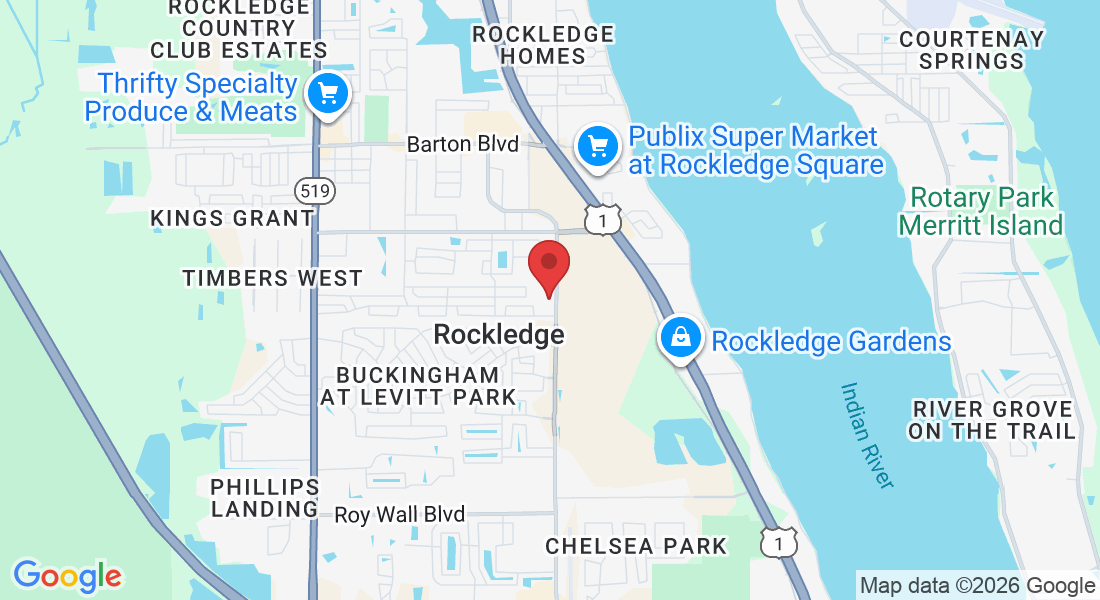
Office Locations
Main Office — Brevard County: 835 Executive Lane, Suite 110, Rockledge, FL 32955
Orange County (Satellite): 1802 N Alafaya Trail, Orlando, FL 32826
Lake County (Satellite): 322 N Barrow Ave, Tavares, FL 32778
Altamonte Springs (Satellite): 283 Cranes Roost Blvd, Suite 111, Altamonte Springs, FL 32701
Serving clients across Florida
Main office and regional satellites.
In-office appointments when truly needed.
While most clients are served virtually, limited in-office appointments are available for special circumstances by APPOINTMENT ONLY.
Important information & disclaimer
We are a debt relief agency. We help people file for bankruptcy relief under the Bankruptcy Code.
Can’t Afford A Lawyer PLLC is a law firm located in Florida. Attorney Christine Hansley is licensed to practice law in the State of Florida. This website is attorney advertising and is intended for Florida residents only.
Nothing on this site is legal advice, and visiting this site or scheduling a call does not create an attorney–client relationship. Any results discussed are examples only. Results vary by case, and no outcome is guaranteed.
The information provided on this website is for general informational purposes only and does not constitute legal advice. Communication through this website does not create an attorney-client relationship. Past results do not guarantee similar outcomes.
Bankruptcy has long-term financial and legal consequences. Before filing, you should understand how a Chapter 7 case may affect your credit, property, and debts. We are happy to discuss these issues with you during your consultation so you can make an informed choice.